Frankie Ludwig · 13 October 2026
Salt Production Under Osric: Tracing the Effects on Early Medieval Exchange Routes
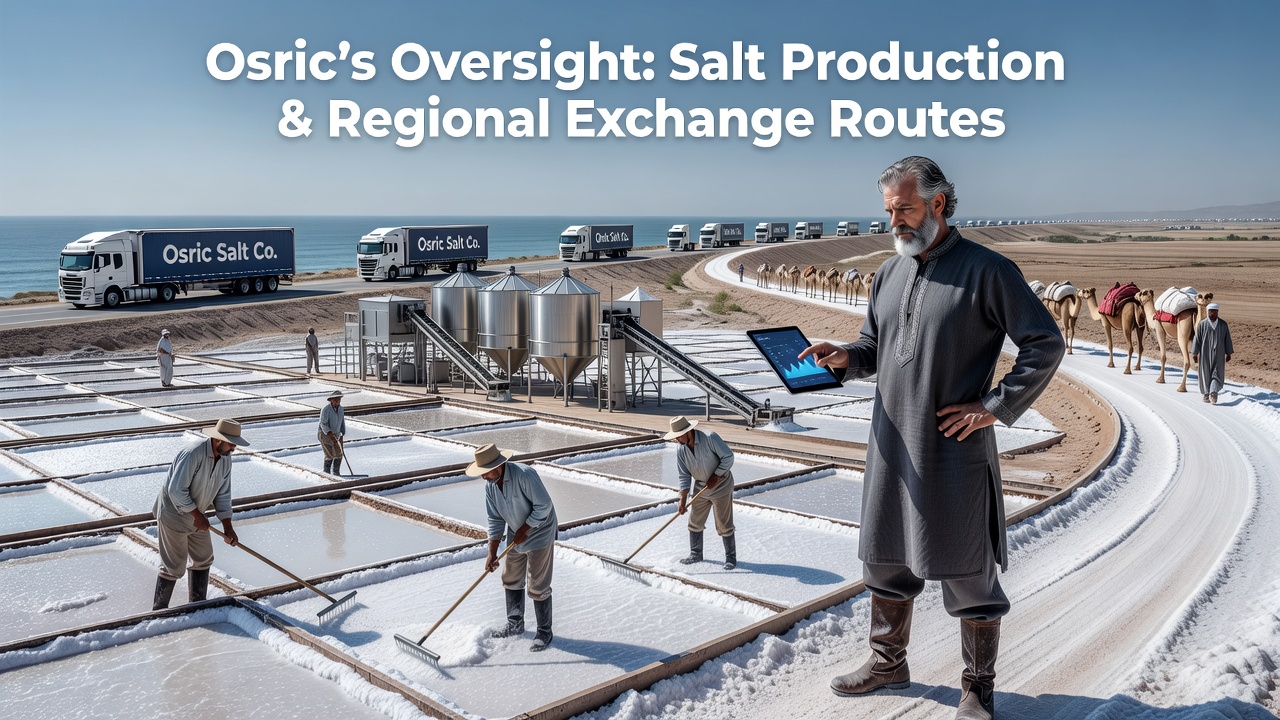
Osric exercised direct oversight over salt production sites across several territories in the seventh century, and records indicate this control shaped the movement of goods along established exchange networks. Researchers have traced how production quotas, storage facilities, and distribution points aligned with royal authority, which in turn affected the timing and volume of salt shipments reaching inland settlements and coastal ports.
Production Sites and Administrative Controls
Archaeological surveys combined with charter evidence show that salt works operated under Osric's appointed overseers at key coastal and inland locations. Production relied on evaporation techniques in coastal pans and boiling methods at brine springs, with output recorded in measures that corresponded to royal dues. Those who examined surviving documents note that collection points centralized the gathered salt before it moved onward, and this structure reduced independent trading that had previously bypassed central authority.
By October 2026, further analysis of seal impressions and tally sticks from these sites revealed consistent patterns in how quantities were verified at each stage, confirming the administrative reach extended beyond immediate production areas into the routes themselves.
Effects on Regional Exchange Networks
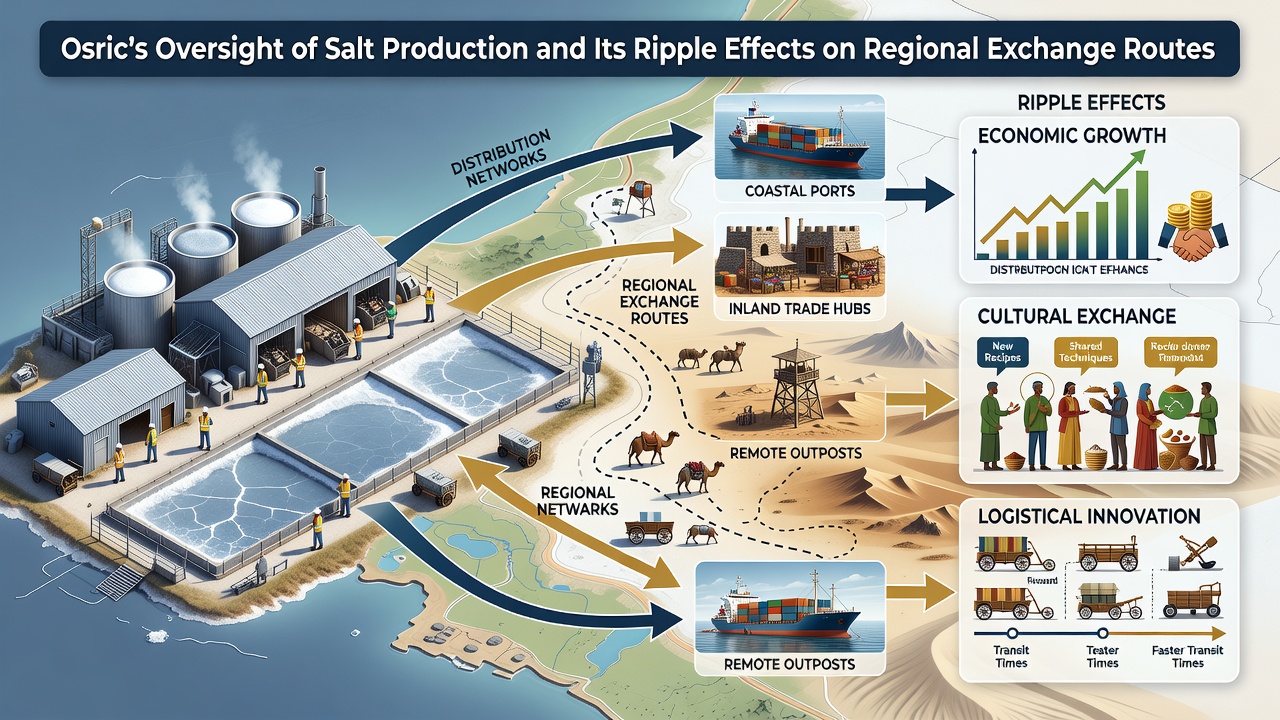
Salt traveled along paths that connected production zones to markets in neighboring regions, and the oversight introduced checkpoints that altered the pace of these movements. Exchange routes previously used for mixed cargoes of salt, grain, and textiles now carried higher volumes of salt in organized convoys, while smaller independent traders adjusted their schedules to meet verification requirements. Data from settlement excavations indicate that communities along these routes experienced steadier access to salt supplies, which supported preservation of food stocks and expanded the range of goods that could be transported without spoilage.
Shifts in Trade Volume and Timing
Figures compiled from excavation reports demonstrate that salt shipments increased along certain corridors once oversight standardized weights and measures. This standardization allowed merchants to plan journeys with greater certainty, since salt loads could be documented and protected under royal seals. Routes leading toward major river crossings and harbor towns saw the most noticeable adjustments, as salt became a more reliable component of return cargoes that previously consisted mainly of livestock or metalwork.
One study conducted by researchers at the University of Toronto examined pollen and residue samples from storage pits along these corridors and found evidence of expanded salt-related activity dating to the period of Osric's documented involvement. The same project cross-referenced findings with continental records held by the European Archaeological Council, which showed parallel increases in preserved goods moving through connected networks.
Interactions with Other Goods and Settlements
Salt production oversight did not occur in isolation; it intersected with the movement of other commodities such as wool, timber, and metal ingots. Settlements positioned at route junctions adapted storage infrastructure to accommodate larger salt reserves, and this adaptation supported longer-distance exchanges that had previously been limited by spoilage concerns. Observers note that the resulting network stability encouraged specialized roles among traders, with some groups focusing on salt transport while others handled complementary items that traveled alongside it.
Charter evidence further indicates that rights to salt portions were granted to religious houses and local officials, creating additional nodes where distribution decisions were made. These grants tied local economies more closely to the central oversight system and influenced which settlements grew into more prominent exchange points.
Conclusion
Osric's administration of salt production established measurable links between production controls and the operation of regional exchange routes during the seventh century. Documentation of quantities, verification practices, and route adjustments provides concrete evidence that these policies altered the flow of goods across multiple territories. Continued examination of material remains and written records continues to clarify how such oversight shaped economic connections that extended beyond the immediate period of implementation.